Eyre Peninsula residents are being urged to prepare for H-5 bird flu to become an ongoing reality on the local landscape, as state officials shift their focus toward long-term ecological resilience and vulnerable species protection.
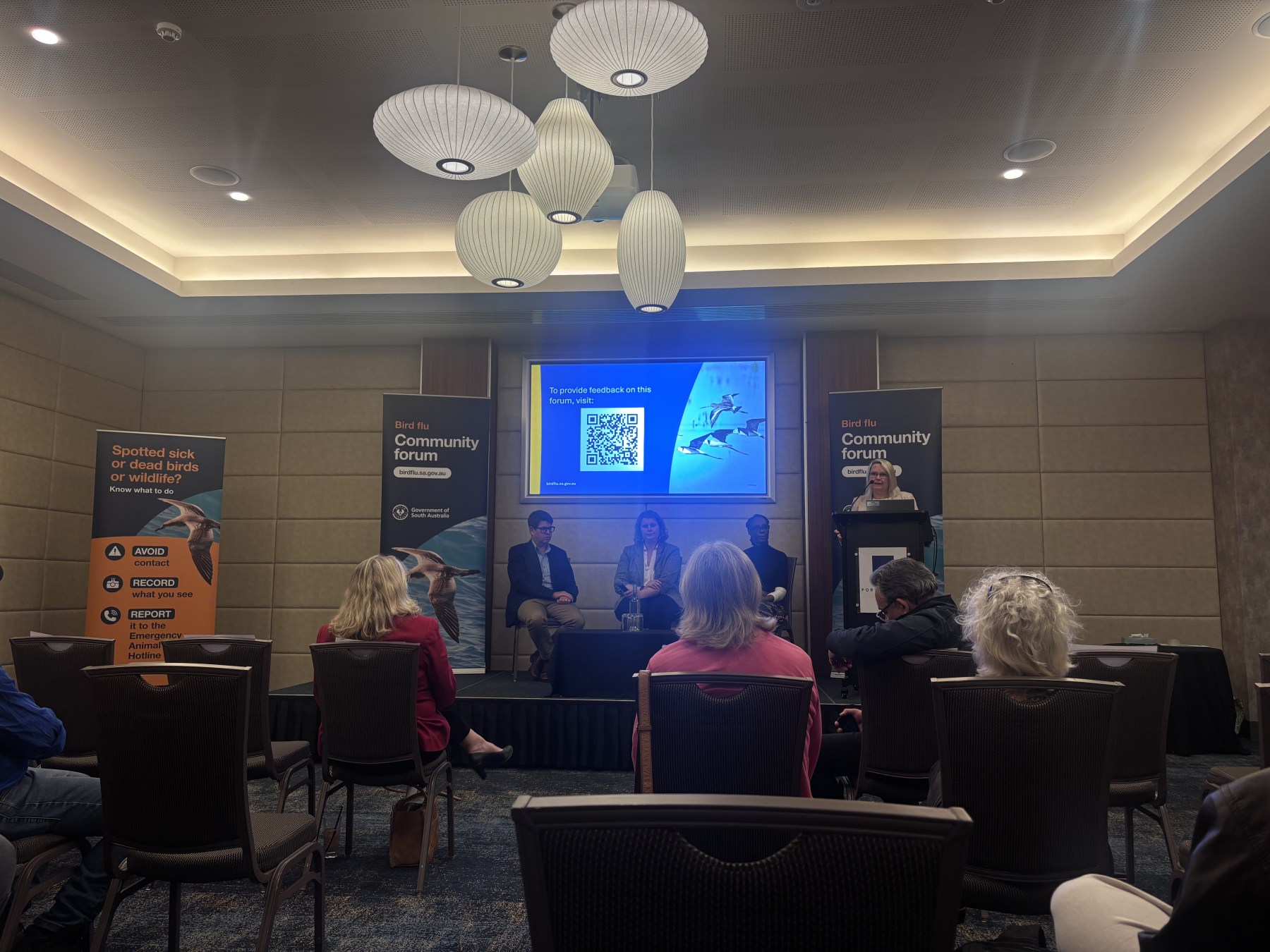
At a community forum in Port Lincoln on Tuesday, November 17, government officials delivered a candid message to attendees, warning that while the exact timeline of the crisis remains unknown, locals will need to adjust to the virus becoming a permanent fixture of everyday life – mirroring trends seen overseas where outbreaks are regularly managed.
While case numbers have plateaued between October and November and commercial poultry remains largely unaffected, Primary Industries Minister Clare Scriven cautioned that a potential outbreak could still impact local households hard, noting that strict contingency plans remain in place.
“If (there) were to be a major poultry outbreak, then it’s entirely possible that there will be disruptions to supply chains and potentially additional cost-of-living pressures, which is why preparedness and early action is really really critical,” Ms Scriven said.
With authorities unable to prevent the spread of the virus in the wild, conservation efforts are being channelled into building resilience among the region’s most fragile wildlife – particularly the endangered Australian sea lion population.
Department for Environment and Water (DEW) bird flu preparedness coordinator Dr Karl Hillyard outlined proactive interventions including treating sea lion pups for hookworm and constructing shelters at key breeding sites to reduce compounding environmental stressors.
Government representatives also fielded tough questions from the floor regarding broader environmental risks across the region.
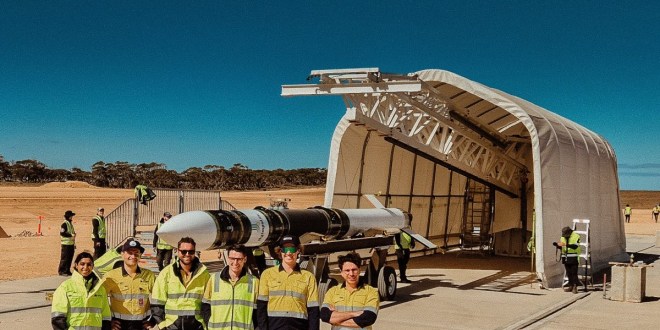
Attendees raised concerns about the potential disruption aerial surveillance could cause to endangered ospreys during their breeding season, alongside renewed calls urging the absent Environment Minister to reject any appeals by Southern Launch to the Native Vegetation Council regarding proposed developments at Whalers Way.
Despite the shift toward long-term management, authorities reiterated that active community reporting remains South Australia’s strongest frontline defence against the virus.